
When buying eggs, freshness matters more than whether the egg is white or brown. Fresh eggs taste better, cook better, and have stronger nutrition value.
But how do you know if the egg is fresh, especially when you buy in bulk?
Here are simple and easy tests you can do at home:
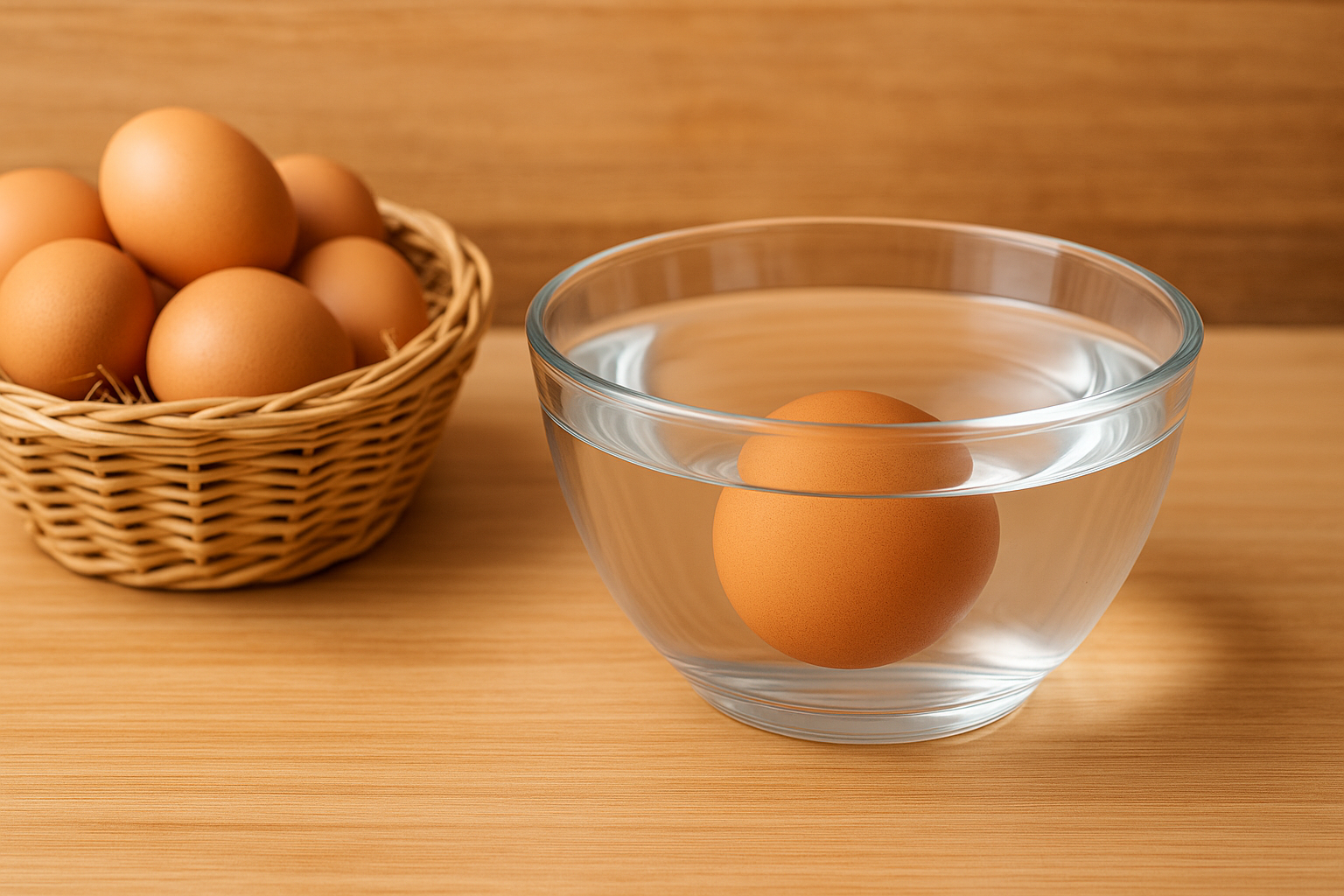
1. The Water Test
Fill a bowl with water and gently place the egg inside.
| Result | Freshness Meaning |
|---|---|
| Sinks and lays flat | Very fresh, safe to eat |
| Sinks but stands upright | Slightly older, still safe to eat |
| Floats | Old egg — do not consume |
Why does this happen?
As eggs age, air pockets grow inside the eggshell, making the egg lighter and able to float.
2. The Shake Test
Hold the egg close to your ear and gently shake it.
- If you hear no sound, the egg is fresh.
- If you hear a sloshy liquid sound, the egg is older.
Fresh eggs have tighter internal structure.
Older eggs become watery.
3. The Break and Look Test
Break the egg onto a plate (not directly into food).
Check these:
| Indicator | Fresh Egg | Old Egg |
|---|---|---|
| Egg white | Thick and firm | Watery and spreads |
| Yolk shape | Round & stands tall | Flat & breaks easily |
If the yolk is bright and firm — good quality.
4. Storage Tip to Keep Eggs Fresh Longer
- Always store eggs in the refrigerator
- Keep eggs in their carton (slows moisture loss)
- Store with the pointed end down (keeps yolk centered)
These small actions extend shelf life and maintain quality.
Conclusion
Freshness affects:
- Taste
- Texture
- Nutritional value
- Cooking results
No matter white or brown, a fresh egg is always the better egg.
That is why Mahendra ensures eggs are collected, sorted, and supplied fresh, maintaining nutrition and quality from farm to home.